
Early intervention changes lives.
Welcome to SCARF HOPE — Hub for Early Psychosis Care
India’s pioneering structured early psychosis programme, built on over two decades of clinical care, research and recovery.
The first episode of psychosis can be frightening for young people and their families. With timely, structured care, recovery is possible.
At SCARF HOPE, we provide specialised early intervention through a multidisciplinary, family-centred programme designed specifically for Indian healthcare settings. Our model combines evidence-based care, long-term support and internationally recognised research to help young people recover and regain meaningful lives.
First Episode Psychosis
- Psychosis refers to a collection of symptoms where a person has difficulty telling what is real and what is not.
- It affects how someone thinks, feels, and understands the world, including hearing/seeing things that aren't there or believing things that don't match reality.
Why Early Intervention Matters
The first few years following the onset of psychosis are often considered a critical period, during which timely, structured care can have the greatest impact on recovery.
At SCARF HOPE, we believe that early intervention is not simply about treating symptoms—it is about helping young people regain confidence, reconnect with their goals, and reclaim their future.
Research from around the world has consistently shown that early intervention can:
Reduce relapse
Improve recovery
Support return to education and employment
Reduce disability
Improve long-term quality of life
"Psychosis affects the whole family."
Strong family involvement has been shown to improve treatment engagement, reduce relapse and promote long-term recovery.
Families are Partners
in Recovery
From the very first appointment, families are recognised as essential partners in recovery. We work closely with caregivers by providing education, guidance and ongoing support to help them understand psychosis, navigate treatment, and support recovery with confidence.
Why Choose SCARF HOPE?
For more than 20 years, SCARF has been providing specialised early intervention for psychosis while continuously refining its model through clinical care, research and collaboration.
Our programme is one of India’s earliest dedicated early psychosis services and has helped shape the delivery of early intervention within India and other low- and middle-income countries.
Specialised Early Intervention
More than two decades of dedicated early psychosis care.
Dedicated Case Management
One mental health professional supporting each individual throughout recovery.
Family-Centred Care
Families actively involved as partners throughout treatment.
Phase-Based Recovery
Structured care tailored to each stage of recovery.
Designed for Indian Settings
An evidence-based model adapted to local healthcare systems and community needs.
Flexible Hybrid Care
Follow-up through clinic appointments, telephone consultations and home visits where appropriate.
Research That Shapes Practice
Clinical care continually informed by national and international research collaborations.
WHO Collaborating Centre
About SCARF
The Schizophrenia Research Foundation (SCARF) is a non-profit mental health organisation based in Chennai and a WHO Collaborating Centre for Mental Health Research and Training. For over 40 years, SCARF has been dedicated to advancing mental healthcare through clinical services, research, education, rehabilitation, and advocacy. The First Episode Psychosis (FEP) Programme is one of SCARF’s specialised clinical and research initiatives, reflecting its commitment to early intervention and recovery-oriented care.
To learn more about SCARF, its services, research, and training programmes, please visit the SCARF page
Impact and Legacy
"For over two decades, the SCARF FEP Program has been a leader in early psychosis care, shaping best practices globally while addressing the unique challenges of LMIC settings."
The program's commitment to recovery-oriented care has transformed lives through resilience, care, and recovery.
Research Legacy
SCARF has a long tradition of longitudinal research in psychosis. Under the leadership of Dr. Thara Rangaswamy, the organisation established and continues to follow a cohort of individuals with first episode schizophrenia for over 35 years—one of the longest-running studies of its kind in a low- and middle-income country setting. This work has generated important insights into recovery, disability, functioning and long-term outcomes, and continues to inform the development of early intervention services and research today.
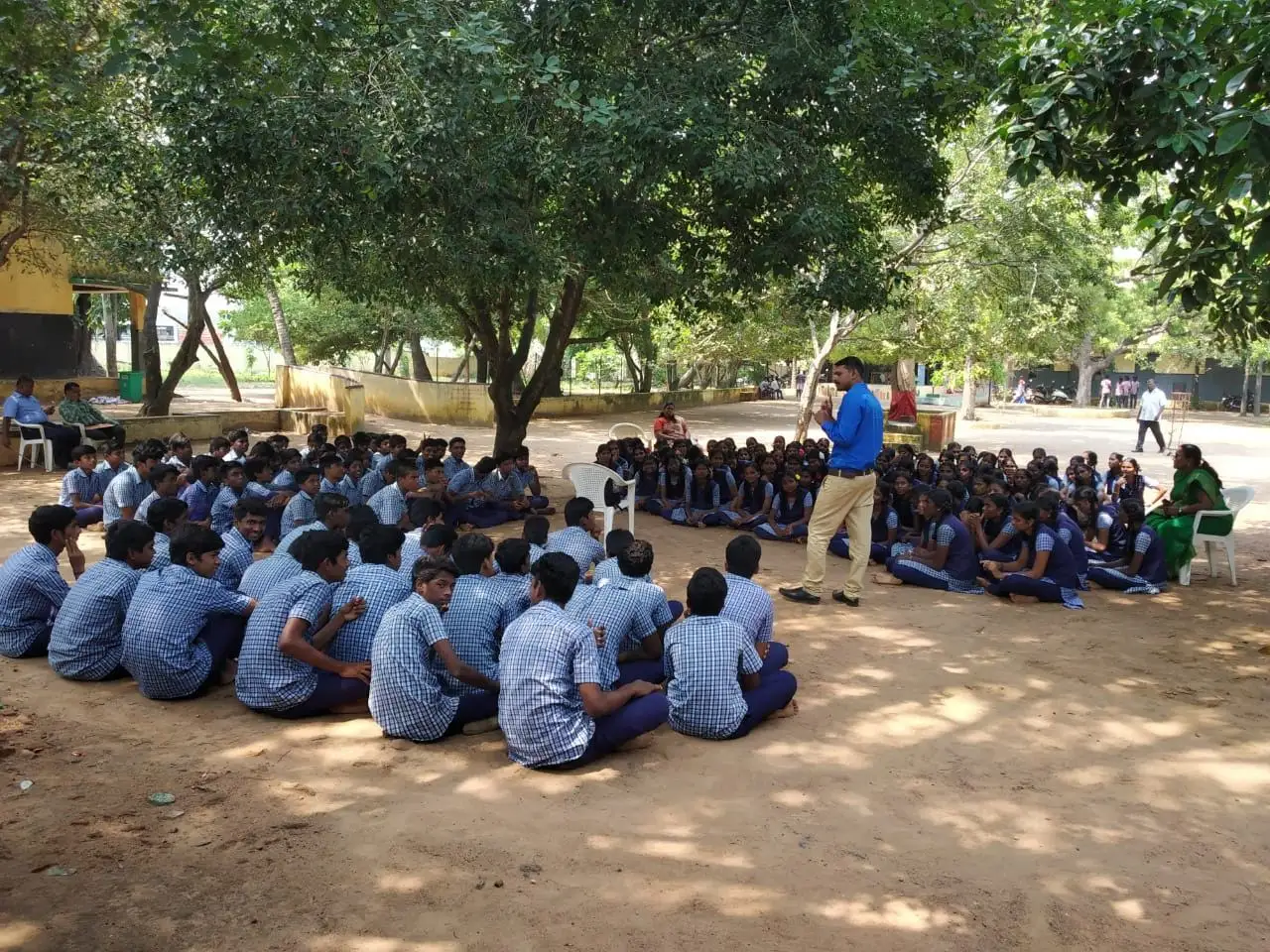
Regional Outreach
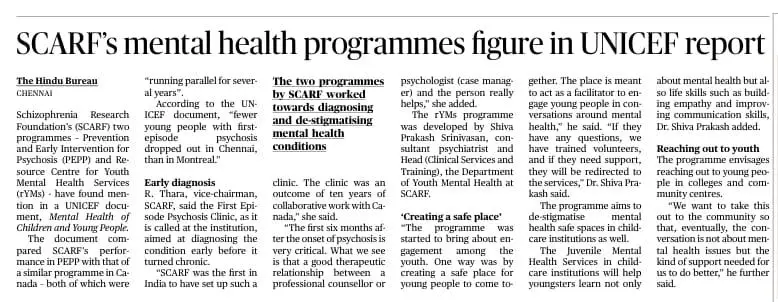
Media Focus
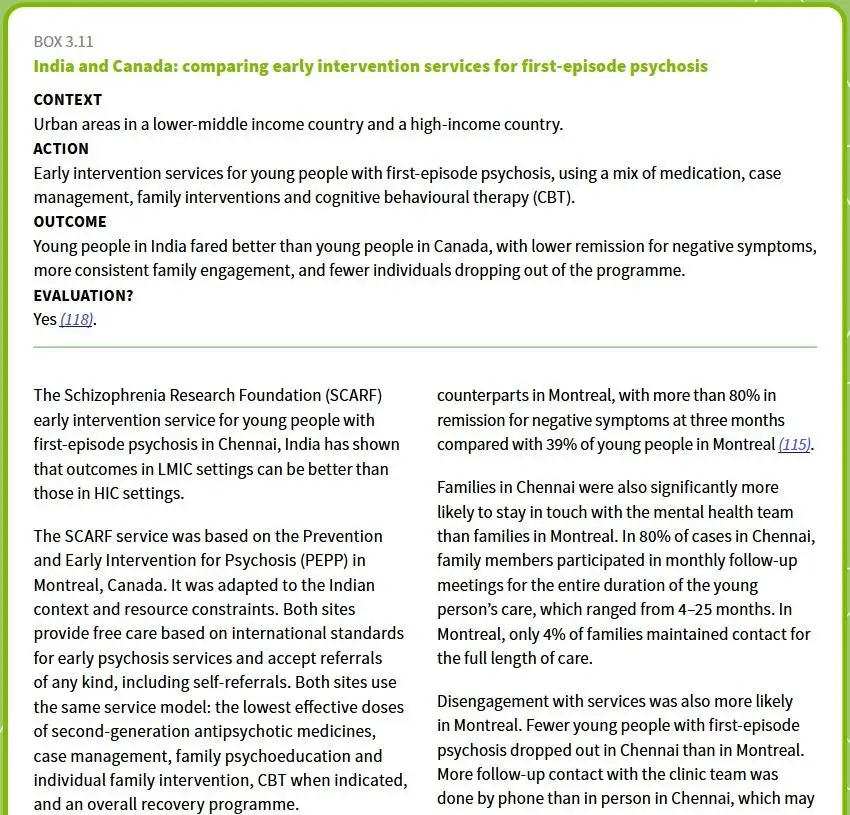
Report
Concerned about someone?
Whether you are experiencing symptoms yourself, supporting a loved one, or referring a patient, our team is here to help.
Explore HOPE
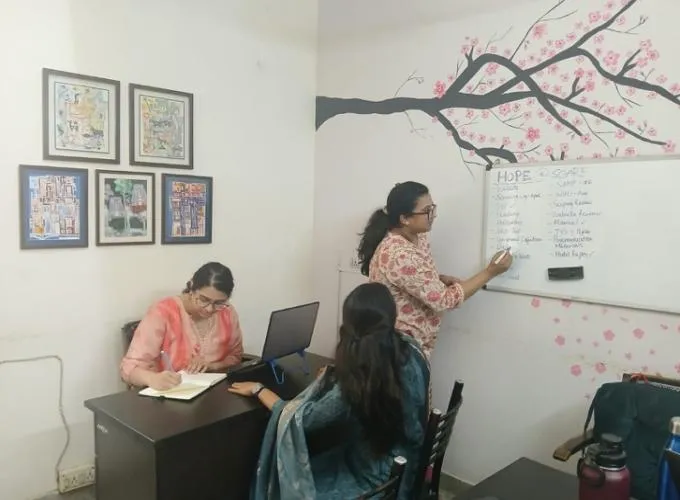
Clinical Services
Specialized outpatient care for early psychosis, providing comprehensive support.
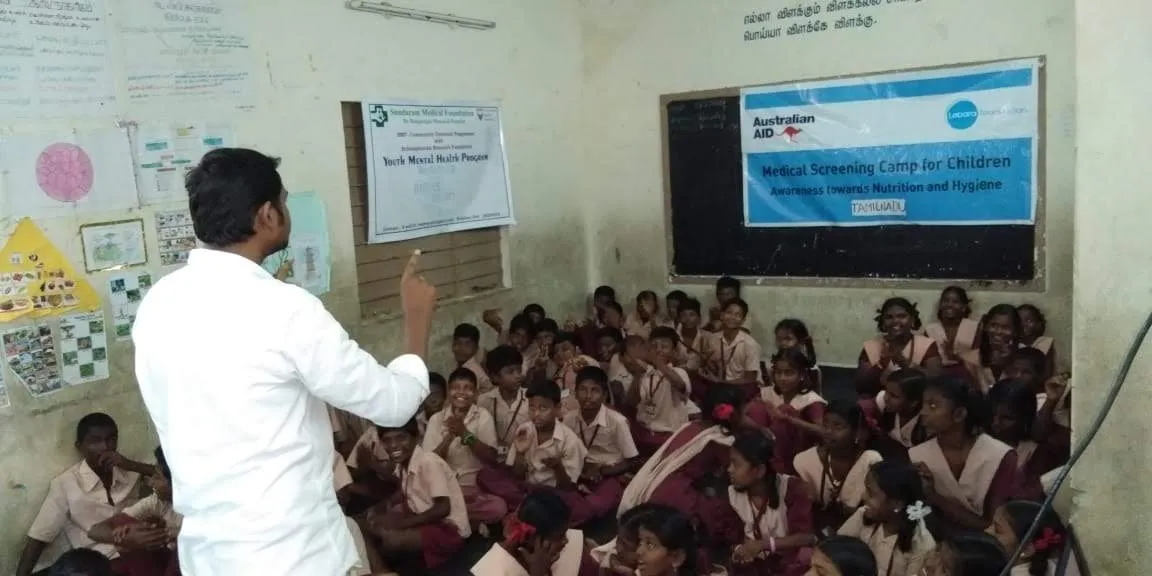
Training
Internships and educational programs for students and professionals to build expertise.
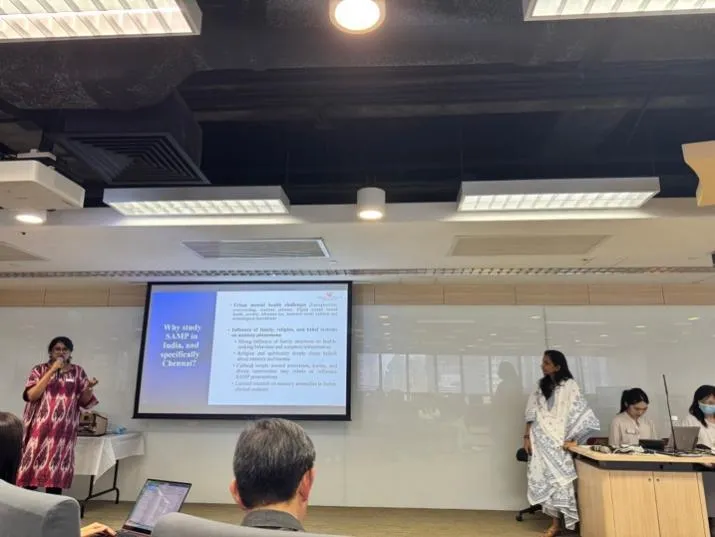
Research
Ongoing studies and scientific contributions aimed at advancing the understanding of psychosis.

Support
Support our mission for early psychosis care and help us expand our reach and impact.