
First Episode Psychosis
Early intervention transforms recovery. The journey to wellness starts with understanding.
What is Psychosis? What is First Episode Psychosis?
Psychosis refers to a collection of symptoms where a person has difficulty telling what is real and what is not. It can affect how someone thinks, feels, and understands the world around them. This can include hearing or seeing things that aren’t there, feeling very suspicious, or believing things that don’t match reality.
First Episode Psychosis (FEP) is the first time a person experiences symptoms of psychosis. This stage is very important because getting help early can lead to better recovery, fewer long-term problems, and improved quality of life.
Early Psychosis is a broader term that includes the early warning phase (called the prodromal phase) and the stage when symptoms become clearer and more intense (the acute phase).
Psychosis looks different for different people. Symptoms can be mild or severe, and they can change over time.
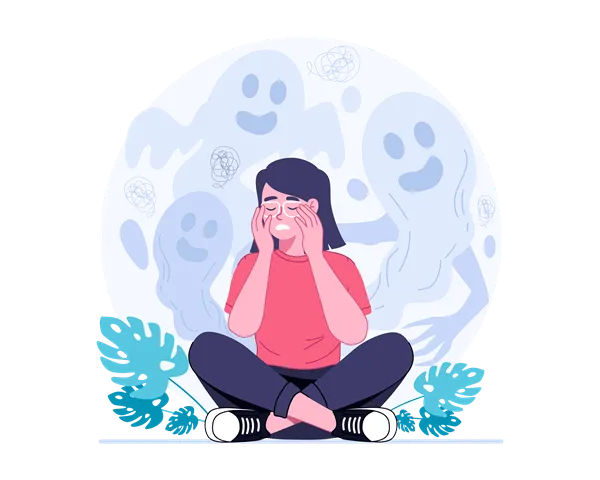
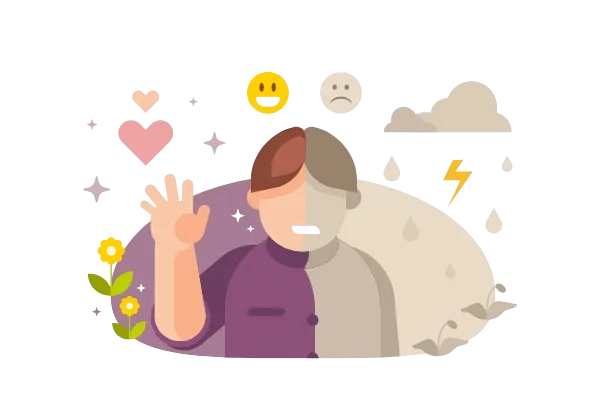
Understanding the Spectrum of Psychosis
Identifying symptoms early on this spectrum can prevent them from becoming more severe.
Ultra High Risk
Early signs such as unusual thoughts, mild hallucinations, increased suspiciousness, mood changes, or withdrawal from others.
Brief Limited Intermittent Psychosis
Short episodes of psychotic symptoms that last for a few days or weeks and then improve.
At-Risk Mental State
A period where a person is more vulnerable to developing psychosis due to stress, trauma, genetics, or substance use.
A Range of Experience
Psychosis exists on a range. Symptoms can move from mild to severe, and people may shift along this spectrum over time.
How do you know if you have psychosis?
Signs and Symptoms of Early Psychosis
Cognitive Changes
Difficulty focusing, slower thinking, trouble understanding conversations, or feeling mentally unclear.
Perceptual Disturbances
Changes in how sounds, sights, or sensations are experienced. For example: hearing voices when no one is around or seeing things others don’t see.
Thought Disorder
Thoughts may feel jumbled, rushed, or hard to express clearly. For example: jumping between unrelated ideas or feeling like thoughts suddenly stop.

Positive Symptoms
New experiences that are not usually present, such as hallucinations or delusions.
Negative Symptoms
Reduced motivation, emotional expression, or social interest. For example: feeling emotionally numb or losing interest in activities you once enjoyed.
Behavioural Changes
Changes in sleep, routine, self-care, or social behaviour. For example: avoiding people, staying in bed most of the day, or neglecting personal hygiene.
Common Observations by Families, Friends, and Caregivers
- Pulling away from friends and family
- Sudden changes in beliefs or behaviour
- Increased fear, confusion, or suspicion
- Drop in academic or work performance
- Changes in sleep, appetite, or daily routine
With the right support, many people are able to recover, rebuild routines, and return to meaningful goals.
How can it impact my life?
Psychosis can affect school or work, relationships, confidence, and daily routines.
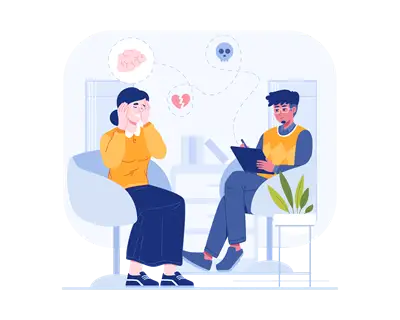
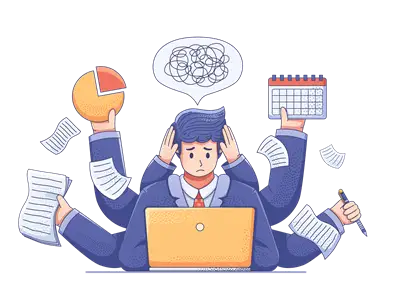
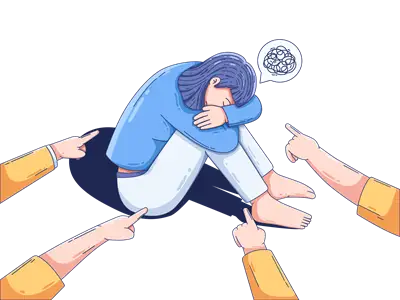
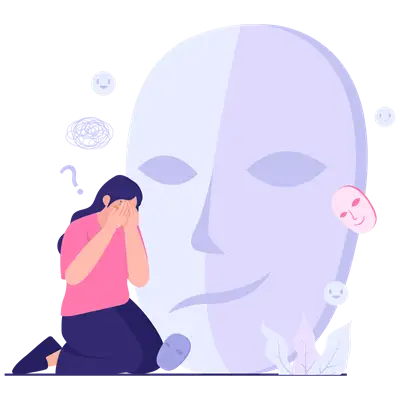
It can make everyday life feel confusing or overwhelming.
Why Look at FEP Patients Differently?
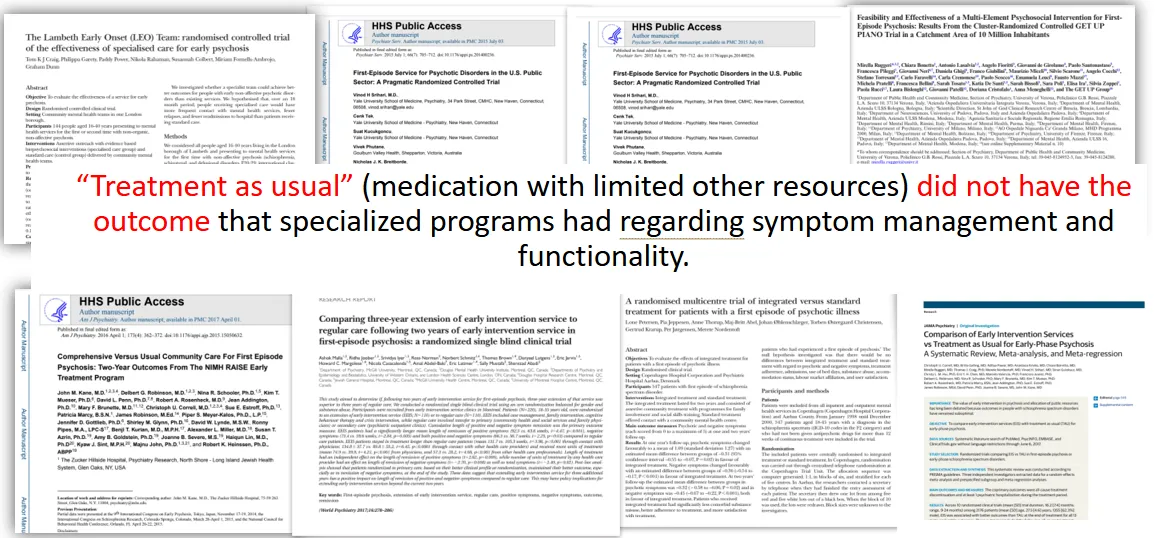
Importance of Early Intervention
Getting help early reduces the time someone experiences symptoms without treatment and improves recovery.
Better Control of Symptoms
Better Control of Symptoms
- Helps prevent symptoms from becoming more severe or overwhelming
- Makes symptoms easier to manage in daily life
- Reduces distress and disruption to functioning
Faster Recovery
Faster Recovery
- Shortens the duration of untreated psychosis
- Helps individuals regain stability sooner
- Supports a quicker return to normal routines and activities
Reduced Impact on Life
Reduced Impact on Life
- Helps people stay connected to education and employment
- Supports relationships and social functioning
- Minimises long-term disruption to personal goals and daily life
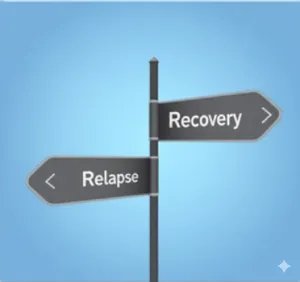
Lower Risk of Relapse
Lower Risk of Relapse
- Helps identify warning signs at an earlier stage
- Encourages consistent monitoring and follow-up care
- Reduces the chances of future episodes or worsening symptoms

Greater Independence
Greater Independence
- Builds confidence in managing mental health challenges
- Encourages development of coping and decision-making skills
- Supports greater autonomy in everyday life
Better Support for Families
Better Support for Families
- Helps families better understand psychosis and recovery
- Provides guidance on communication and support strategies
- Offers reassurance and support for caregivers themselves
Early support can make a
lasting positive difference.
How Will I Know It's Working?



Changes You Can Observe
- Better sleep
- Improved focus
- More energy
- Steadier emotions
Reduction of Symptoms
- Fewer hallucinations
- Less fear or suspiciousness
- Clearer thinking
Regaining Functionality
- Returning to school or work
- Hobbies
- Relationships
- Daily independence
"Recovery is about more than symptoms—it's about building a meaningful life."
What Happens If It Happens Again?
Relapse can happen, but getting help early can reduce its impact and support quicker recovery.