Research
Research at the Heart of Recovery
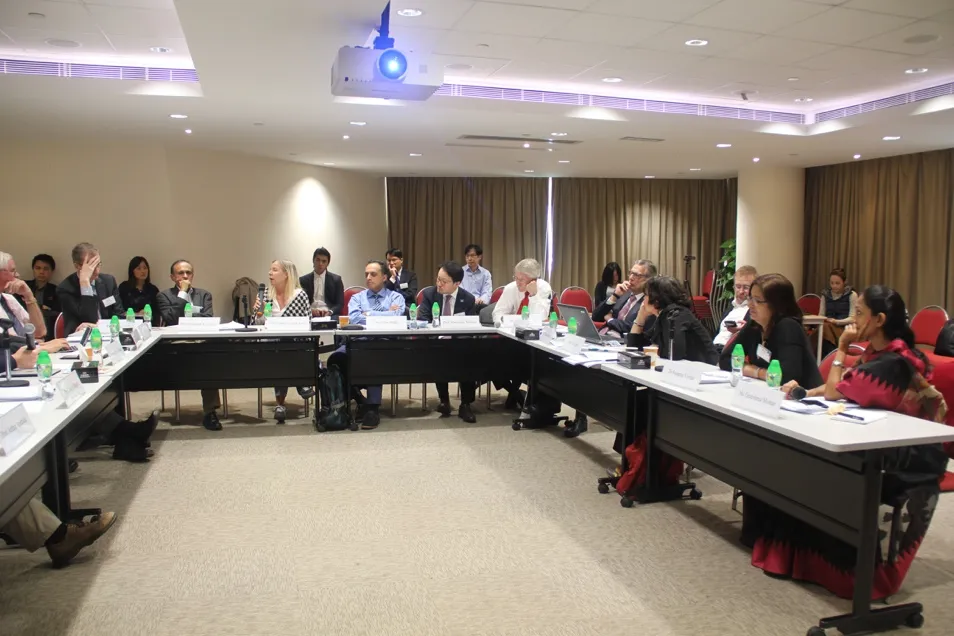
Research is the foundation of the SCARF First Episode Psychosis (FEP) Program. Since its inception in 2003, the programme has combined clinical care with systematic research, allowing us to continuously evaluate outcomes, understand patient and family experiences, and refine our model of care. What began as an international collaboration has evolved into one of India's longest-running first episode psychosis research programmes, generating evidence that directly informs practice.
Our Research Journey
Building an Indian Model of Early Intervention
Program Establishment
Established through a landmark collaboration with the Prevention and Early Intervention Program for Psychosis (PEPP), Montreal, Canada. Under the leadership of Professor Ashok Malla and colleagues, SCARF became one of the earliest centres in India to introduce a structured model of care for young people experiencing psychosis for the first time.
Expansion with McGill University
As the programme matured, the collaboration expanded to include Professor Srividya Iyer and the wider McGill research team. Together, these partnerships supported a growing body of work examining clinical outcomes, recovery, family engagement, patient experiences, and service delivery in first episode psychosis.
Warwick India Canada Collaboration
SCARF joined the University of Warwick-led WIC (Warwick India Canada) programme under the leadership of Professor Swaran Singh. This collaboration broadened the programme's focus from service development to implementation research, exploring how evidence-based early intervention services can be adapted, scaled, and sustained in low- and middle-income countries.
An Indian Model of Early Intervention
Over two decades, these collaborations have helped shape a uniquely Indian model of early intervention—one that is family-centred, culturally relevant, resource-sensitive, and grounded in real-world clinical practice.
The People Behind the Journey
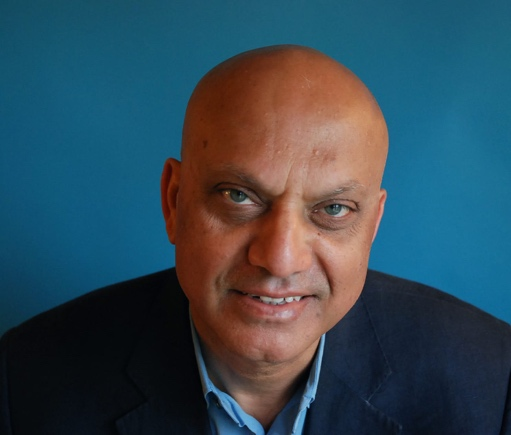
Professor Ashok Malla
Founder and Director, Prevention and Early Intervention Program for Psychosis (PEPP), Montreal.
Professor Malla partnered with SCARF in 2003 to establish one of India's earliest dedicated first episode psychosis programmes and has remained a mentor and collaborator for over two decades.
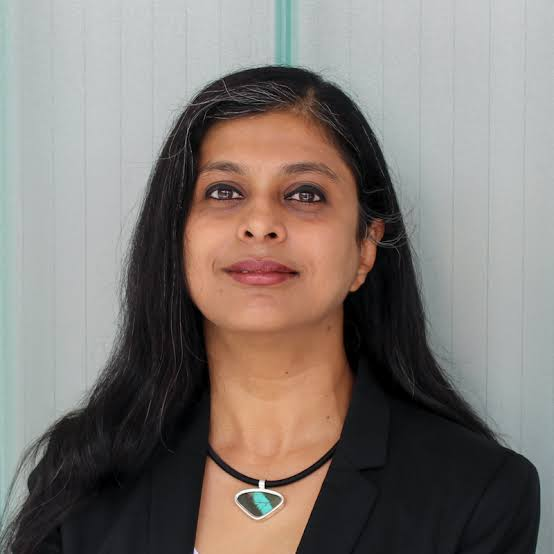
Professor Srividya Iyer
Professor of Psychiatry, McGill University and Researcher at the Douglas Research Centre.
Professor Iyer's work on recovery, engagement, youth mental health and patient-centred care has contributed significantly to the evolution of the SCARF FEP programme and its research agenda.
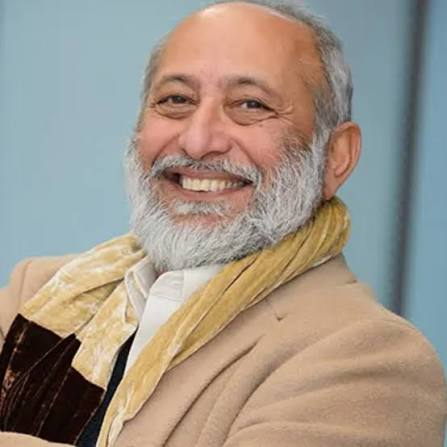
Professor Swaran Singh
Professor of Social and Community Psychiatry, University of Warwick.
Through the Warwick India Canada (WIC) programme and subsequent collaborations, Professor Singh has supported the development and evaluation of scalable early intervention approaches relevant to low- and middle-income settings.
From Research to Practice
Research at SCARF is not conducted separately from clinical care.
Findings from our studies have informed:
- Family-centred care approaches
- Strategies to improve engagement and retention
- Hybrid in-person and telehealth follow-up models
- Recovery-oriented interventions
- Long-term outcome monitoring
- Models of care for low-resource settings
Research Impact
20+ Years of Continuous Research
One of India's Longest-Running First Episode Psychosis Cohorts
International Collaborations Across Canada, India and the United Kingdom
Peer-Reviewed Publications in Leading International Journals
Research Findings Directly Translated into Clinical Practice
Current Research Themes
Clinical and functional outcomes in first episode psychosis
Recovery and relapse prevention
Family engagement and caregiving
Service implementation in low-resource settings
Early intervention in low- and middle-income countries
Digital and hybrid models of care
Research Collaborators








Major Research Takeaways
Improved Clinical Outcomes
Early intervention services in Chennai and Montreal showed comparable improvements in clinical outcomes over 2 years.
Malla et al., 2020
Current Research Projects
“Families First” – Empowering Families in Early Psychosis
“Families First” is a focused initiative within the First Episode Psychosis (FEP) program at the Schizophrenia Research Foundation (SCARF), designed to strengthen the role of families in early psychosis recovery. Recognising that the first episode of psychosis is a critical window for intervention, this program equips caregivers with the knowledge, skills, and support needed to navigate this challenging phase.
The initiative offers structured caregiver support groups, culturally adapted psychoeducation resources in Tamil and English, and a dedicated helpline, ensuring families have access to timely guidance and support.
It also focuses on building peer caregiver leadership, enabling sustainable, community-based support beyond the clinical setting. By placing families at the centre of care, the program aims to improve recovery outcomes, reduce relapse, and enhance long-term functioning for individuals with early psychosis.
This initiative is supported through Corporate Social Responsibility (CSR) funding by Delphi-TVS Technologies, enabling the development of scalable, community-based models of care for early psychosis in India.
- Caregiver Support Groups & Helplines
- Bilingual Psychoeducation Resources
- Community-Based Care Peer Leadership
Spurious Autobiographical Memories of Psychosis (SAMP+)
The Chennai SAMP cohort focuses on understanding the longitudinal course of schizophrenia within a real-world, low- and middle-income setting. The cohort examines how early psychotic experiences are encoded, persist, and influence long-term outcomes, including relapse, recovery, and functional reintegration.
A key focus of the work is on Spurious Autobiographical Memories of Psychosis (SAMP)—the idea that experiences during psychosis can become strongly encoded in memory and later influence symptom recurrence and illness trajectory. These memory processes may play an important role in relapse and treatment resistance, beyond traditional dopamine-based explanations.
Cultural Aspects of SAMP
Local Context IntegrationIn the Chennai context, SAMP is shaped by culture, family systems, and explanatory models of illness. Cultural meanings attached to psychotic experiences—such as spiritual interpretations, stigma, or community responses—can influence how these memories are processed, integrated, or reinforced over time.
Strong family involvement, social roles, and community-based care may either help integrate these experiences (supporting recovery) or, in some cases, contribute to persistence of distress if meanings remain unaddressed. This makes culture central to understanding both illness experience and recovery pathways in schizophrenia.
What is SAMP+?
Recovery Oriented ProcessSAMP+ extends the core SAMP framework by focusing on active integration and recovery-oriented processes. It emphasizes:
Active Integration
Integrating psychotic experiences with everyday autobiographical memory
New Meaning
Promoting new, meaningful real-life experiences that reduce the impact of past psychotic memories
Relapse Reduction
Supporting recovery styles that enable better adaptation and reduce relapse risk
In essence, SAMP+ moves from understanding memory-related mechanisms of psychosis to designing interventions that reshape these experiences and improve long-term outcomes.
Late-Onset Psychosis in First Episode Presentations
This study examines individuals experiencing a first episode of psychosis between 45 and 59 years, a group often underrepresented in early intervention services. While most FEP programs focus on younger populations, a significant proportion of psychosis begins later in life, frequently in the context of major life transitions such as menopause, bereavement, retirement, or caregiving roles.
At SCARF, this study explores the clinical presentation and psychosocial contexts of onset in late-onset cases. By identifying life-stage specific risk factors and symptom patterns, the research aims to inform more inclusive, age-sensitive FEP services and improve pathways to care for older adults.
Linguistic Validation of the PQ-16 in Tamil
Early identification of individuals at ultra-high risk (UHR) for psychosis is central to the FEP approach. This study focuses on translating and validating the Prodromal Questionnaire-16 (PQ-16) into Tamil, making it accessible for local populations.
Using a structured linguistic validation process and testing with help-seeking individuals, the study ensures that the tool is culturally appropriate, understandable, and clinically useful. This work supports earlier detection, timely intervention, and improved outcomes by strengthening screening capabilities within Tamil-speaking communities.
Publications
Research helps improve treatment, develop culturally appropriate care, and guide mental health policy. Below is our published work spanning over a decade.
2025
4 publications
Early intervention in psychosis programs in Africa, Asia and Latin America; challenges and recommendations
Els van der Ven, Xinyu Yang, Franco Mascayano, Karl Juri Weinreich, Eric Chen, Charmaine YZ Tang, Sung-Wan Kim, Jonathan Kenneth Burns, Bonga Chiliza, Greeshma Mohan, Srividya N. Iyer, Thara Rangaswamy, Ralph de Vries, and Ezra S Susser
View PublicationA Review of Reviews of Patient-Reported Measures in Psychosis: Need to Consider Factors Affecting Equity and the Involvement of Patients
Neha Nair, Maria Abou-Farhat, Navdeep Kaur, Nev Jones, Greeshma Mohan, Jill Boruff, Srividya N. Iyer
View PublicationMaking early intervention for psychosis feasible in India: Lessons from two decades of SCARF's first episode psychosis program
Rangaswamy Thara, Greeshma Mohan, and Shruti Rao
View PublicationFrom lived experience to leadership: establishing a stakeholder advisory board to guide first-episode psychosis research and services
B. Priyadharshni, S. Jagadeesan, Krishna Priya, and Greeshma Mohan
View Publication2024
5 publications
Protocol-based assessment and management of first episode psychosis: Comparison of short and medium-term outcomes in psychopathology, quality of life, functioning and family burden across two sites in India
Rakesh K. Chadda, Mamta Sood, Nishtha Chawla, R. Padmavati, Rangaswamy Thara, Vijaya Raghavan, Tulika Shukla, Vaibhav Patil, Mahadev Singh Sen, Mohapradeep Mohan, Srividya Iyer, Jai Shah, Jason Madan, Max Birchwood, Caroline Meyer, R.J. Lilford, Vivek Furtado, Graeme Currie, Swaran P. Singh
View PublicationPatient- and family-reported experiences of their treating teams in early psychosis services in Chennai, India and Montreal, Canada
Aarati Taksal, Greeshma Mohan, Ashok Malla, Daniel Rabouin, MaryAnne Levasseur, Thara Rangaswamy, Ramachandran Padmavati, Ridha Joober, Howard C Margolese, Norbert Schmitz, Srividya N Iyer
View PublicationDesigning and implementing a physical exercise intervention for people with first episode psychosis using experience-based co-design: A pilot study from Chennai, India
U. Vijayalakshmi, R. Padmavati, Vijaya Raghavan, Sangeetha Chandrasekaran, Greeshma Mohan, Jothilakshmi Durairaj, Graeme Currie, Richard Lilford, Vivek Furtado, Jason Madan, Maximilian Birchwood, Caroline Meyer, Mamta Sood, Rakesh Chadda, Mohapradeep Mohan, Jai Shah, Sujit John, Srividya N. Iyer, R. Thara, Swaran Singh
View PublicationPatient-reported outcome measures in early psychosis: A cross-cultural, longitudinal examination of the self-reported health and self-reported mental health measures in Chennai, India and Montreal, Canada
Neha Nair, Salomé Xavier, Daniel Rabouin, Greeshma Mohan, Thara Rangaswamy, Padmavati Ramachandran, Ridha Joober, Norbert Schmitz, Ashok Malla, Srividya N Iyer
View PublicationSimilar and Different? A cross-cultural comparison of the prevalence, course of and factors associated with suicidal thoughts and behaviors in first-episode psychosis in Chennai, India and Montreal, Canada
Roxanne Sicotte, Amal Abdel-Baki, Greeshma Mohan, Daniel Rabouin, Ashok Malla, Ramachandran Padmavati, Laura Moro, Ridha Joober, Thara Rangaswamy, Srividya N Iyer
View Publication2023
7 publications
Differential Trajectories of Delusional Content and Severity Over 2 Years of Early Intervention for Psychosis: Comparison Between Chennai, India, and Montréal, Canada
Lemonde, Ann-Catherine; Iyer, Srividya N; Malla, Ashok; Rangaswamy, Thara; Padmavati, Ramachandran; Mohan, Greeshma; Taksal, Aarati; Gariepy, Genevieve; Joober, Ridha; Boksa, Patricia; Shah, Jai L.
View PublicationPathways to care in first-episode psychosis in low-resource settings: Implications for policy and practice
Swaran P Singh, Catherine Winsper, Mohapradeep Mohan, Max Birchwood, Rakesh K Chadda, Vivek Furtado, Srividya N Iyer, Richard J Lilford, Jason Madan, Caroline Meyer, Padmavati Ramachandran, Thara Rangaswamy, Jai Shah, Mamta Sood; WIC Consortium
View PublicationPatient-reported outcome measures in early psychosis: Evaluating the psychometric properties of the single-item self-reported health and self-reported mental health measures in Chennai, India and Montreal, Canada
Neha Nair, Aarati Taksal, Greeshma Mohan, Thara Rangaswamy, Ramachandran Padmavati, Norbert Schmitz, Ashok Malla, Srividya N Iyer
View PublicationTrust of patients and families in mental healthcare providers and institutions: a cross-cultural study in Chennai, India, and Montreal, Canada
Salome M Xavier, Ashok Malla, Greeshma Mohan, Sally Mustafa, Ramachandran Padmavati, Thara Rangaswamy, Ridha Joober, Norbert Schmitz, Howard C Margolese, Srividya N Iyer
View PublicationSubjective quality of life among first-episode psychosis patients in Chennai, India and Montreal, Canada
Sally Mustafa, Ashok Malla, Greeshma Mohan, Ramachandran Padmavati, Thara Rangaswamy, Ridha Joober, Norbert Schmitz, Howard Margolese, Srividya N Iyer
View PublicationContext and Expectations Matter: Social, Recreational, and Independent Functioning among Youth with Psychosis in Chennai, India and Montreal, Canada
Iyer, Srividya N.; Rangaswamy, Thara; Mustafa, Sally; Pawliuk, Nicole; Mohan, Greeshma; Joober, Ridha; Schmitz, Norbert; Margolese, Howard; Padmavati, Ramachandran; Malla, Ashok
View PublicationForty Years of Care and Research – The Intertwining
Rangaswamy, Thara; Mohan, C. Greeshma; John, Sujit
View Publication2022
5 publications
An observational study of antipsychotic medication discontinuation in first-episode psychosis: clinical and functional outcome
Ashok Malla, Srividya N Iyer, Ridha Joober, Thara Rangaswamy, Padmavati Ramachandran, Norbert Schmitz, Aarati Taksal, Greeshma Mohan, Howard C Margolese
View PublicationComparing Treatment Delays and Pathways to Early Intervention Services for Psychosis in Urban Settings in India and Canada
Kathleen MacDonald, Greeshma Mohan, Nicole Pawliuk, Ridha Joober, Ramachandran Padmavati, Thara Rangaswamy, Ashok Malla, Srividya N Iyer
View PublicationWhose responsibility? Part 1 of 2: A scale to assess how stakeholders apportion responsibilities for addressing the needs of persons with psychosis
Srividya N Iyer, Megan Pope, Aarati Taksal, Greeshma Mohan, Thara Rangaswamy, Heleen Loohuis, Jai Shah, Ridha Joober, Norbert Schmitz
View PublicationWhose responsibility? Part 2 of 2: views of patients, families, and clinicians about responsibilities for addressing the needs of persons with mental health problems
Srividya N. Iyer, Ashok Malla, Megan A. Pope, Sally Mustafa, Greeshma Mohan, Thara Rangaswamy, N. Schmitz, Ridha Joober, Jai Shah, Howard C. Margolese, Ramachandran Padmavati
View PublicationShow me you care: A patient- and family-reported measure of care experiences in early psychosis services
Srividya N Iyer, Aarati Taksal, Ashok Malla, Helen Martin, Mary Anne Levasseur, Megan A Pope, Thara Rangaswamy, Padmavati Ramachandran, Greeshma Mohan
View Publication2021
4 publications
Implementation of first episode psychosis intervention in India – A case study in a low-and middle-income country
Sridhar Vaitheswaran, Graeme Currie, Vijaya Raghavan Dhandapani, Greeshma Mohan, Thara Rangaswamy, Swaran Preet Singh
View PublicationWarwick-India-Canada (WIC) global mental health group: rationale, design and protocol
Swaran P Singh, Mohapradeep Mohan, Srividya N Iyer, Caroline Meyer, Graeme Currie, Jai Shah, Jason Madan, Max Birchwood, Mamta Sood, Padmavati Ramachandran, Rakesh K Chadda, Richard J Lilford, Thara Rangaswamy, Vivek Furtado; WIC Consortium
View PublicationFit for Purpose: Conception and Psychometric Evaluation of Developmentally Appropriate Measures to Assess Functional Recovery in First-Episode Psychosis Across Geo-Cultural Contexts
Srividya N Iyer, Ashok Malla, Aarati Taksal, Nicole Pawliuk, Ramamurti Mangala, Greeshma Mohan, Megan A Pope, Norbert Schmitz, Heleen Loohuis, Ramachandran Padmavati, Ridha Joober, Jai Shah, Thara Rangaswamy
View PublicationAdapting, updating and translating the Social Functioning Scale to assess social, recreational and independent functioning among youth with psychosis in diverse sociocultural contexts
Nicole Pawliuk, Ashok Malla, Greeshma Mohan, Aarati Taksal, Megan A Pope, Maximillian Birchwood, Ramamurti Mangala, Padmavati Ramachandran, Heleen Loohuis, Norbert Schmitz, Ridha Joober, Jai Shah, Thara Rangaswamy, Srividya N Iyer
View Publication2020
5 publications
Comparison of clinical outcomes following 2 years of treatment of first-episode psychosis in urban early intervention services in Canada and India
Ashok Malla, Srividya N Iyer, Thara Rangaswamy, Padmavati Ramachandran, Greeshma Mohan, Aarati Taksal, Howard C Margolese, Norbert Schmitz, Riha Joober
View PublicationSex hormones and psychopathology in drug naïve Schizophrenia
Hema Tharoor, Greeshma Mohan, Subhashini Gopal
View PublicationContext and contact: a comparison of patient and family engagement with early intervention services for psychosis in India and Canada
Srividya N Iyer, Ashok Malla, Aarati Taksal, Anika Maraj, Greeshma Mohan, Padmavati Ramachandran, Howard C Margolese, Norbert Schmitz, Ridha Joober, Thara Rangaswamy
View PublicationSituational analysis of prevailing practices in the management of first-episode psychosis in Chennai, India
Vijaya Raghavan Dhandapani, Padmavati Ramachandran, Greeshma Mohan, Sangeetha Chandrasekaran, Vimala Paul, Ramakrishnan Pattabiraman, Mohapradeep Mohan, Srividya Iyer, Thara Rangaswamy, Swaran Preet Singh
View PublicationShareDisk: A novel visual tool to assess perceptions about who should be responsible for supporting persons with mental health problems
Srividya N Iyer, Megan A Pope, Gerald Jordan, Greeshma Mohan, Heleen Loohuis, Padmavati Ramachandran, Thara Rangaswamy, Ashok K Malla
View Publication2019
2 publications
Family involvement in first-episode psychosis: The Indian scenario
Greeshma Mohan, R. Padmavati, R. Thara
View PublicationMedication adherence in first-episode psychosis and its association with psychopathology
Vijaya Raghavan, Greeshma Mohan, Subhashini Gopal, Mangala Ramamurthy, Thara Rangaswamy
View Publication2018
1 publication
First-episode psychosis research in India: A review
Raghavan, V, Mohan, G, Jaiswal, S, and Rangaswamy, T.
View Publication2017
1 publication
Social functioning in individuals with first episode psychosis: One-year follow-up study
Vijaya Raghavan, Mangala Ramamurthy, Thara Rangaswamy
View Publication2015
1 publication
Intervention for first episode psychosis in India - The SCARF experience
Thara Rangaswamy, Ramamurthy Mangala, Greeshma Mohan, Jainey Joseph, Sujit John
View Publication2012
2 publications
Early Intervention for First episode Psychosis in India
T Rangaswamy, R Mangala, G Mohan, J Joseph, S John
View PublicationEarly psychosis declaration for Asia by the Asian Network of Early Psychosis
Shinji Shimodera, M A Subandi, Michio Suzuki, Sarah Ann Tay, Rangasamy Thara, Swapna Kamal Verma
View Publication2011
1 publication
An examination of patient identified goals for treatment in a first episode program in Chennai, India
Srividya N Iyer, Ramamurti Mangala, Jeyagurunathan Anitha, Rangaswamy Thara, Ashok K Malla
View Publication2010
1 publication
Preliminary finding from a study of first episode psychosis in Montreal, Canada and Chennai, India: comparison of outcomes
Srividya N Iyer, Ramamurti Mangala, Rangaswamy Thara, Ashok K Malla
View PublicationShowing 39 of 39 publications
Interested in Collaborating?
Let’s Start a Conversation.
We are happy to explore ideas, co-develop protocols, and share data or expertise.
"Let’s work together to advance early, equitable, and evidence-based mental health care. Collaboration is not just welcome—it’s essential."